Starting off with Northern Home Improvement: Insulation Upgrades for Maximum Efficiency, this introductory paragraph aims to provide a captivating overview of the topic, sparking the readers' interest from the get-go.
The following paragraph will delve into the details and specifics of insulation upgrades for maximum efficiency in Northern homes.
Why Insulation Upgrades are Important for Efficiency
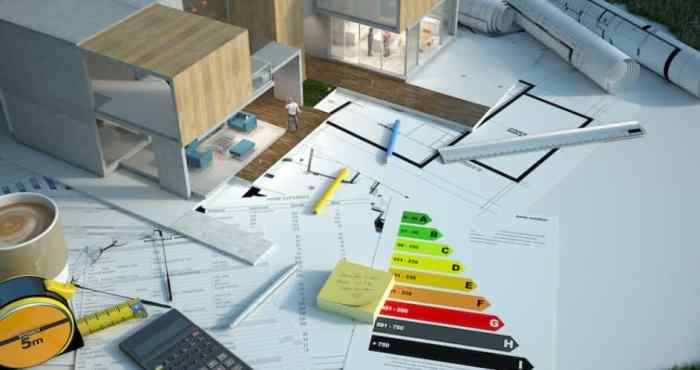
Insulation plays a crucial role in enhancing energy efficiency within homes, acting as a barrier that helps regulate indoor temperatures. By improving insulation, homeowners can significantly reduce their energy consumption, leading to lower utility bills and a more sustainable living environment.
Additionally, proper insulation ensures consistent indoor comfort levels by preventing heat loss in the winter and heat gain in the summer.
Reducing Energy Bills
Upgrading insulation can lead to substantial savings on energy bills by minimizing the amount of heat transfer between the interior and exterior of a home. This means that heating and cooling systems do not have to work as hard to maintain desired temperatures, resulting in lower energy consumption and reduced monthly costs.
Enhancing Indoor Comfort
Proper insulation helps maintain a comfortable indoor environment by preventing drafts, cold spots, and excessive heat buildup. By creating a more consistent temperature throughout the home, occupants can enjoy a cozy living space year-round without experiencing drastic temperature fluctuations.
Types of Insulation Materials for Northern Homes
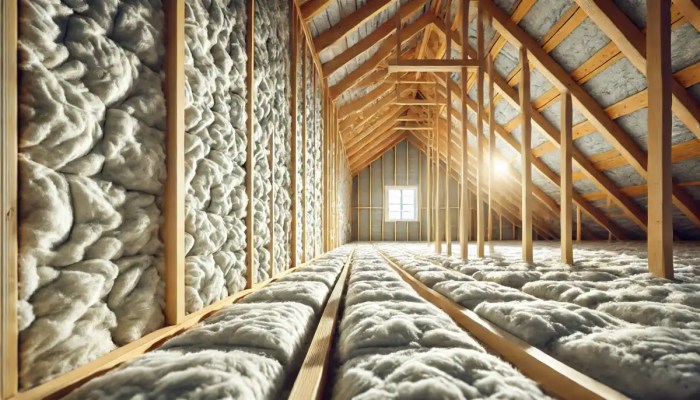
When it comes to insulating homes in cold climates, choosing the right material is crucial for maximum efficiency. Let's explore the common insulation materials used in Northern homes and compare their effectiveness in terms of efficiency and cost.
Fiberglass Insulation
Fiberglass insulation is one of the most popular choices for insulating homes in cold climates. It is cost-effective and easy to install, making it a preferred option for many homeowners. However, fiberglass insulation can lose its effectiveness if not properly installed, leading to air leaks and reduced energy efficiency.
Cellulose Insulation
Cellulose insulation is another common material used in Northern homes. Made from recycled paper products, cellulose insulation is eco-friendly and offers excellent thermal performance. It is also resistant to mold and pests. However, cellulose insulation can settle over time, reducing its effectiveness, and it may be more expensive than fiberglass.
Foam Insulation
Foam insulation, including spray foam and rigid foam boards, is known for its high R-value, providing superior thermal resistance compared to other materials. It creates a tight seal, preventing air leaks and improving energy efficiency. However, foam insulation can be costly upfront, and improper installation can lead to off-gassing of chemicals.Each insulation material has its own pros and cons, so it's essential to consider factors such as budget, effectiveness, and environmental impact when choosing the right insulation for your Northern home.
Assessing Insulation Needs for Different Areas in a Home
When it comes to maximizing energy efficiency in a home, it is crucial to assess the insulation needs for different areas. Proper insulation can help reduce energy consumption and maintain a comfortable indoor environment. Let's explore the specific areas in a home that require insulation upgrades and how to identify gaps for customized solutions.
Attics
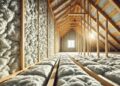
Attics are one of the key areas where insulation is essential to prevent heat loss in the winter and keep the space cool in the summer. To assess the insulation needs in the attic, it is important to check the current insulation levels.
Look for any gaps, leaks, or signs of moisture that may indicate poor insulation. Consider upgrading to materials with higher R-values for better efficiency.
Walls
Insulating walls is another critical aspect of improving energy efficiency in a home. To evaluate the insulation needs in walls, check for drafts, temperature variations, and insulation thickness. Older homes may have inadequate insulation in the walls, leading to energy wastage.
Consider adding insulation materials like fiberglass, cellulose, or foam to enhance thermal performance.
Floors
Insulating floors can also contribute to energy savings and improved comfort levels. In colder climates, uninsulated floors can lead to cold feet and increased heating costs. Assess the current insulation levels under the floors and look for any gaps or air leaks.
Consider adding insulation materials like rigid foam boards or spray foam to prevent heat loss through the floors.
DIY vs. Professional Installation for Insulation Upgrades
When it comes to upgrading insulation in your home, you may be faced with the decision of whether to tackle the project yourself or hire professionals. Each option has its own set of benefits and drawbacks, so it's important to consider your specific needs and abilities before making a decision.
DIY Insulation Installation
- Benefits of DIY installation include cost savings, as you won't have to pay for labor.
- You have the flexibility to work on the project at your own pace and schedule.
- It can be a rewarding hands-on experience for those who enjoy DIY projects.
Professional Insulation Upgrades
- Professionals have the expertise and experience to ensure proper installation techniques are used, maximizing efficiency.
- They can provide recommendations on the best insulation materials for your specific needs and budget.
- Hiring professionals can save you time and effort, as they can complete the project quickly and efficiently.
Importance of Proper Installation Techniques
Proper installation techniques are crucial for achieving maximum efficiency in insulation upgrades. Poorly installed insulation can lead to gaps, air leaks, and reduced effectiveness. It's essential to follow manufacturer instructions and industry best practices to ensure that your insulation is properly installed and performing at its best.
Closing Notes
In conclusion, Northern Home Improvement: Insulation Upgrades for Maximum Efficiency offers a comprehensive solution to enhance energy efficiency and overall comfort in your home.
Common Queries
Why is insulation important for efficiency?
Insulation plays a crucial role in improving energy efficiency by reducing heat loss and maintaining comfortable indoor temperatures.
What are common insulation materials for cold climates?
Common insulation materials for Northern homes include fiberglass, cellulose, and foam, each with its own effectiveness and cost considerations.
DIY vs. Professional Installation: Which is better?
While DIY installation can be cost-effective, hiring professionals ensures proper installation techniques for maximum efficiency and effectiveness.